
Hospital Cleaning Services Melbourne
NSQHS-aligned hospital-grade cleaning for wards, operating theatres, emergency departments and day surgery units across Melbourne. Terminal cleans, discharge cleans, 24/7 biohazard response. No lock-in contracts.

Hospital Areas We Clean
Hospitals contain multiple zones with radically different infection risk profiles. Our cleaning team is trained in the specific protocols required for each — from routine ward cleaning to full theatre terminal cleans between surgical lists.
Patient Wards
Patient wards are the primary environment where HAI transmission occurs. Daily cleaning of all ward bed spaces, ensuite bathrooms, nurse stations and shared equipment must break the transmission chain between each patient occupancy.
Operating Theatres & Recovery
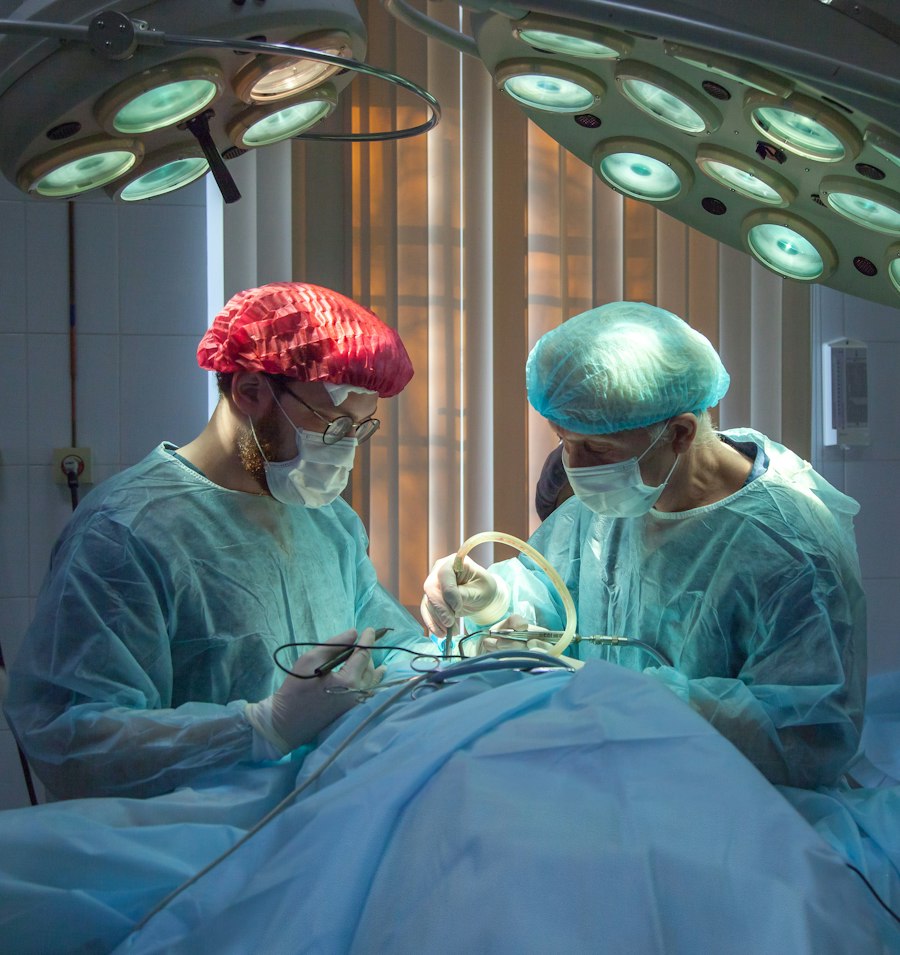
Operating theatres require the most stringent cleaning protocol in any hospital — full between-case cleans, end-of-list terminal cleans, and periodic deep cleans to the ceiling and ventilation grilles. Surface bioburden in theatres is directly linked to surgical site infection risk.
Emergency Departments
Emergency departments present the most unpredictable infection control challenge in any hospital — high patient throughput, frequent blood and body fluid exposure, and patients presenting with undiagnosed infectious conditions. Our ED cleaning protocols are designed for rapid, thorough turnover between cubicles.
Day Surgery Units
Day surgery units operate at high throughput with rapid patient turnover. Pre-admission areas, procedure rooms, recovery bays and discharge lounges all require cleaning between patient uses to prevent cross-contamination across what is typically a full surgical list each operating day.
Outpatient Clinics
Hospital-based outpatient clinics serve patients with complex and often immunocompromised conditions — oncology, renal, wound care and post-surgical review — making thorough nightly cleaning of all treatment and consultation areas essential to protect this vulnerable patient cohort.
Corridors & Common Areas
Hospital corridors are high-traffic shared environments that serve as the connective tissue between all clinical zones. Hand hygiene stations, lift buttons, door handles and corridor handrails are among the highest-frequency touch points in any hospital and require regular disinfection throughout the operational day.
Terminal Cleaning & Discharge Cleans
Terminal cleaning is the complete disinfection of a patient room, bay or clinical area after a patient with a confirmed or suspected infectious condition — such as C. difficile, MRSA, VRE, norovirus or COVID-19 — has vacated the space. It is the most intensive cleaning type in a hospital environment and one of the most critical interventions for preventing HAI transmission to the next patient admitted to that space.
A terminal clean is not simply a thorough version of a routine clean. It requires the correct sporicidal or virucidal disinfectant for the specific organism involved, applied to every surface in the room — including walls to shoulder height, ceiling tiles above the bed, curtain rails, under-bed space, and all equipment that cannot be removed. Full dwell times must be observed before any surface is wiped. Our terminal clean team is trained in the specific protocols for each major nosocomial pathogen.
Discharge cleans are performed when any patient vacates a bed space, regardless of infectious status — ensuring every new patient admission begins in a clinically clean environment. Our team works directly with your ward charge nurse to schedule discharge cleans within your patient flow without delaying bed allocation.
Types of Hospital Cleaning We Perform
Infection Control Protocols for Hospital Cleaning
Hospital infection control cleaning is a highly specialised discipline that requires understanding of pathogen-specific transmission routes, correct disinfectant selection and application, colour-coded equipment management across multiple risk zones, and documentation practices that satisfy NSQHS Standard 3 audit requirements.
Our hospital cleaning team operates under a structured infection control framework that covers pre-clean PPE protocols, zone-by-zone equipment management, product selection based on surface type and organism risk, correct contact times, and post-clean compliance documentation. Every team member is inducted against this framework before they begin work in a hospital environment, and the framework is reviewed whenever changes to infection control guidelines occur.
We work directly with your infection control practitioner and facilities management team to ensure our cleaning specification is aligned with your facility's infection control risk assessment and NSQHS accreditation requirements. Where your facility has a specific outbreak management plan or infection control policy, our cleaning protocols are adapted to comply with it.
Our Hospital Cleaning Protocol
Each area classified by risk level on arrival. PPE selected accordingly — standard clinical PPE for wards, full respiratory and fluid protection for theatres and isolation rooms.
Isolation rooms, theatres and ICU areas cleaned before general wards. Dedicated equipment used per zone — never moved between risk levels.
Clinical surfaces cleaned to remove organic material first, then disinfected with TGA-registered product at correct concentration. Full dwell time observed before wiping.
Corridors, waiting areas, staff rooms and external areas completed after all clinical zones. Floors cleaned last, working toward the exit in every room.
Signed compliance record completed for each area. Terminal and discharge cleans receive individual completion checklists filed with your infection control records.
Hospital Cleaning Standards — NSQHS Standard 3
The National Safety and Quality Health Service (NSQHS) Standards require hospitals to have a comprehensive, documented infection prevention and control programme as a condition of accreditation. Standard 3 — Preventing and Controlling Infections — specifically addresses the environmental cleaning requirements that hospitals must demonstrate compliance with, including evidence of cleaning frequency, product selection, staff training, and quality auditing.
Our hospital cleaning service is designed to support your NSQHS Standard 3 compliance programme. We provide documented cleaning specifications, signed visit records, product data sheets and staff training records on request — giving your infection control team the evidence base needed for your accreditation assessment without requiring additional administrative effort from your facility.
We also conduct structured quality auditing in alignment with the Australian Commission on Safety and Quality in Health Care's environmental cleaning guidelines, which form the audit framework most hospitals use to verify cleaning standard compliance.
What Does Hospital Cleaning Cost in Melbourne?
Hospital cleaning costs depend on facility size, number of wards or theatres, daily patient throughput, the mix of routine and terminal clean requirements, and whether 24/7 coverage is required. The pricing below represents indicative ranges for common hospital and day surgery configurations — all prices exclude GST.
Hospital cleaning is always quoted following a free site assessment. The complexity of hospital environments means phone quotes cannot accurately reflect the true scope of work required. Your written quote, provided within 24 hours of the assessment, will cover all clean types, frequencies and scheduling requirements specific to your facility.
For larger hospital engagements (50+ beds), we are happy to provide a detailed tender response or participate in a formal procurement process. Contact us to discuss your requirements. See our full pricing page for further context on how hospital cleaning costs are structured.
Hospital Cleaning Cost Guide
Hospital Cleaning Across Melbourne
We service hospitals, private hospitals and day surgery units across metropolitan Melbourne and surrounding regions. See our full service area page, or contact us to confirm availability for your facility.
Hospital Cleaning — Frequently Asked Questions
Common questions from facilities managers and infection control practitioners about our Melbourne hospital cleaning service.
A routine clean is the scheduled daily cleaning of ward areas, corridors and bathrooms. A discharge clean is the full cleaning of a bed space following any patient discharge — ensuring a clean start for the next admission. A terminal clean is a complete, organism-specific decontamination performed after a patient with a confirmed or suspected infectious condition (such as C. difficile, MRSA or norovirus) vacates a space — it uses specific sporicidal or virucidal products, covers every surface including walls to shoulder height, and requires documented completion for your infection control records.
Our emergency biohazard response team is available 24/7 across metropolitan Melbourne. We target a 2-hour response time from first contact for urgent biohazard incidents. For planned or anticipated terminal cleans following an infectious disease notification, we can mobilise same-day in most cases. Call us directly on 0484 042 336 or toll-free 1300 38 38 62 for immediate dispatch.
Yes. We provide signed cleaning records for every visit, individual terminal clean completion checklists, product data sheets for all disinfectants used, and staff training records — all formatted for NSQHS Standard 3 audit requirements. We can also participate in your facility's internal quality auditing programme and provide audit-ready summary reports on request. Before commencement, we provide a full cleaning specification document that forms part of your NSQHS evidence base.
Yes. We provide between-case cleaning for operating theatres — a rapid, structured clean of all horizontal surfaces, equipment exteriors and floors between surgical cases — as well as end-of-list terminal cleans covering the full room including walls to shoulder height, ceiling tile edges and all fixed equipment. Our theatre cleaning team works to your surgical list schedule and can maintain turnaround times consistent with your case flow requirements. We recommend a pre-commencement meeting with your perioperative services manager to map out the specification before the first service.
We use TGA-registered hospital-grade disinfectants exclusively, with product selection matched to the risk zone and specific pathogen requirements. For terminal cleans involving C. difficile, we use TGA-registered sporicidal products. For viral outbreaks (norovirus, COVID-19), we use TGA-registered virucidal products with confirmed efficacy at the organism level. All products are applied at the manufacturer-specified concentration and left at the full contact time. Product data sheets for all disinfectants used are available on request and are included in the cleaning specification we provide at commencement.
Hospital cleaning costs in Melbourne vary significantly based on facility size, ward count, theatre requirements and the mix of routine versus terminal cleans. Day surgery units typically start from $280–$520 per daily service. Small private hospitals range from $520–$1,200 per day. Terminal cleans for isolation rooms range from $280–$600 per engagement. All pricing is confirmed in a written quote following a free site assessment — we do not quote hospital cleaning by phone. See our pricing page for further detail.
Get a Hospital Cleaning Quote for Your Melbourne Facility
We assess your facility, map every room and zone, and provide a written itemised quote within 24 hours. NSQHS Standard 3 documentation included as standard. Call 0484 042 336 or submit a quote request online.